
BEHINd THE NAMe
BEHIND
THE
NAME
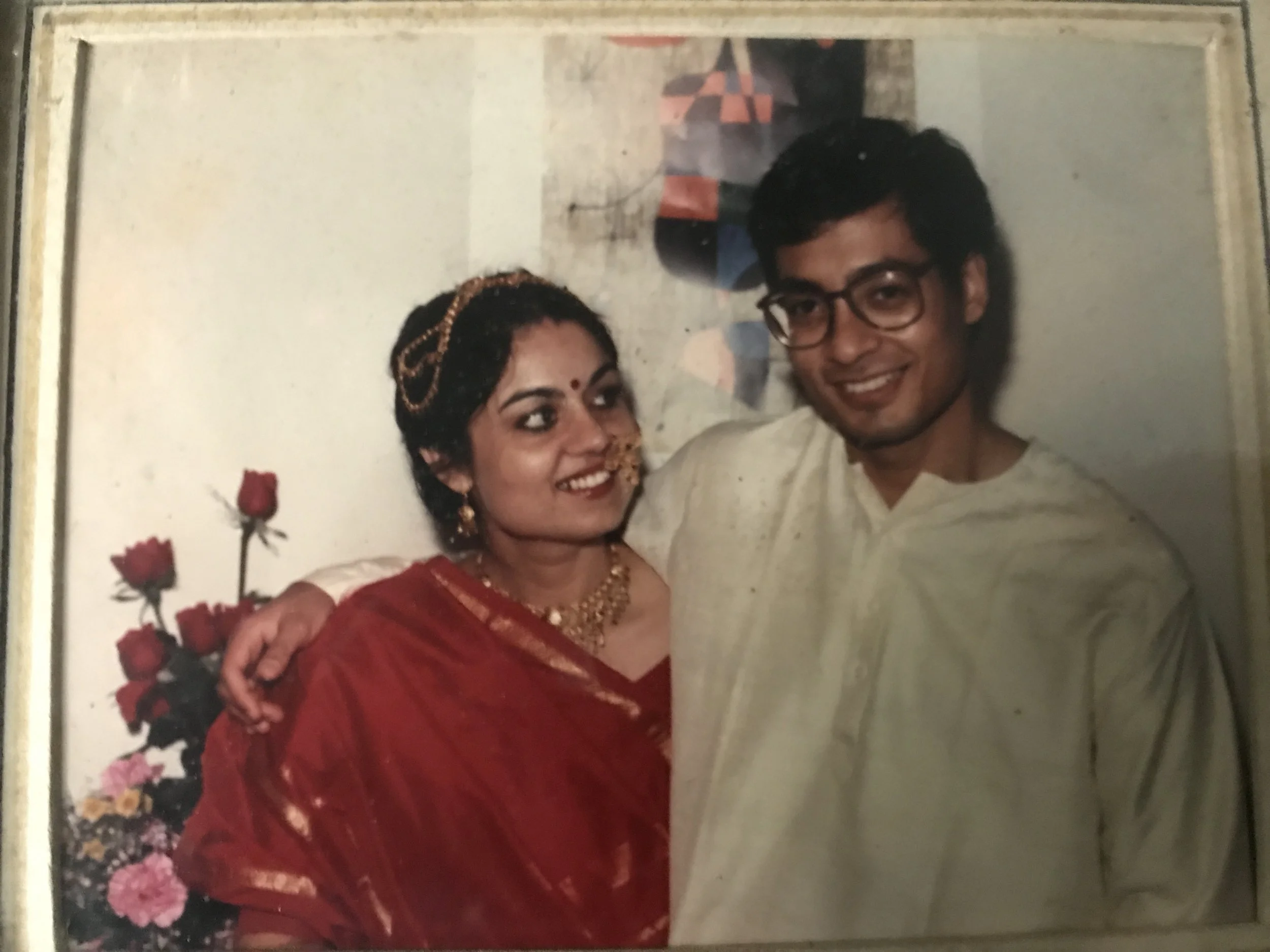
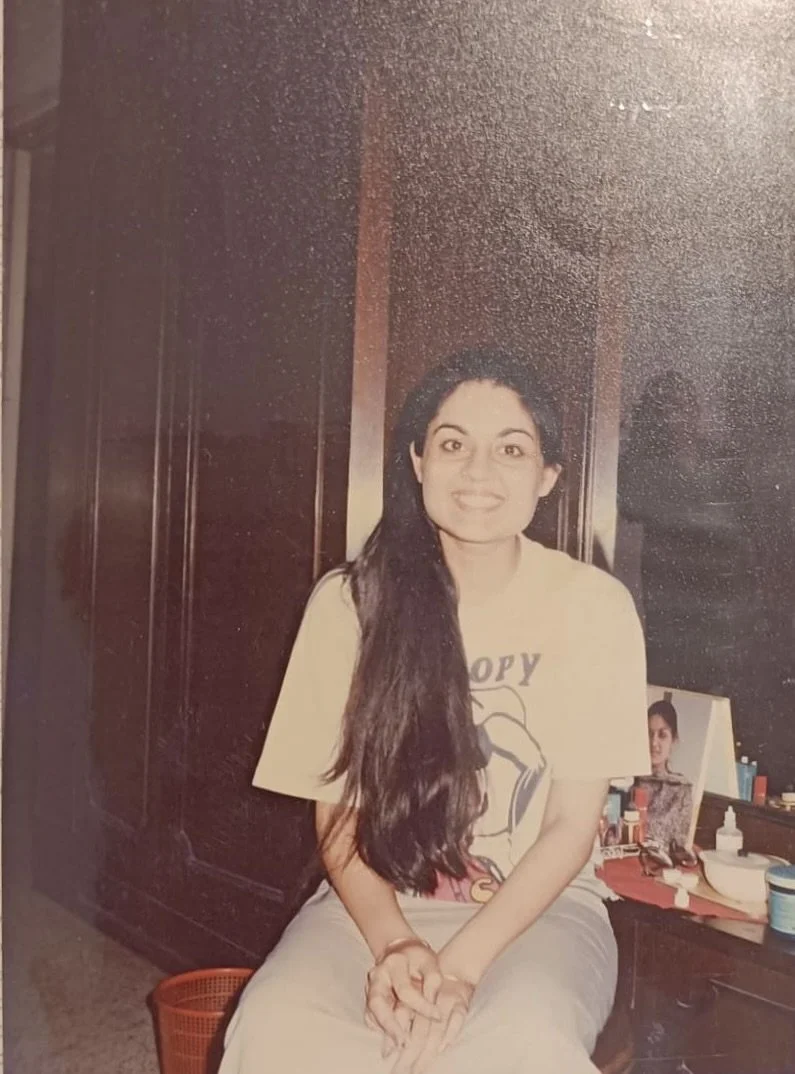
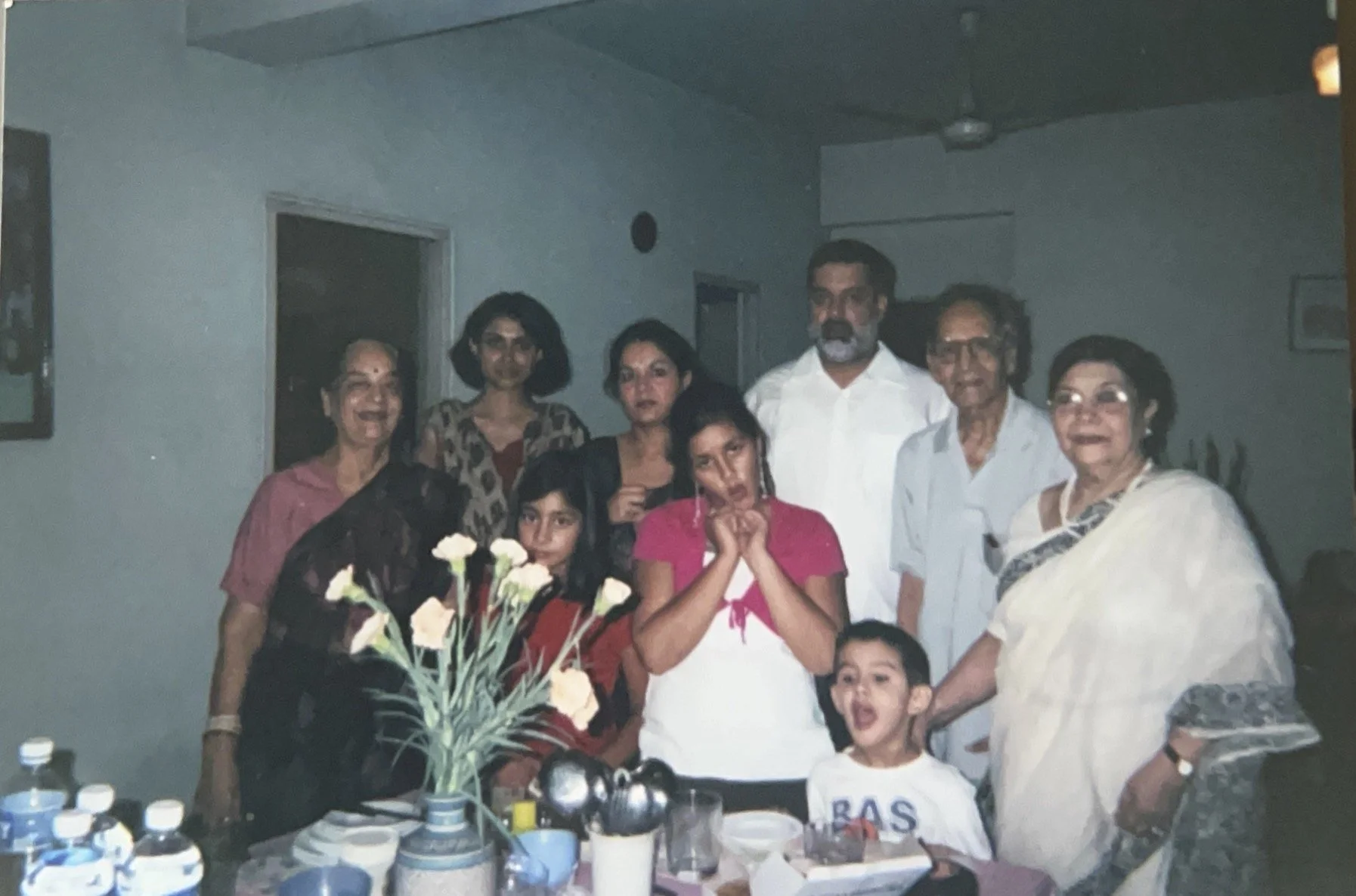
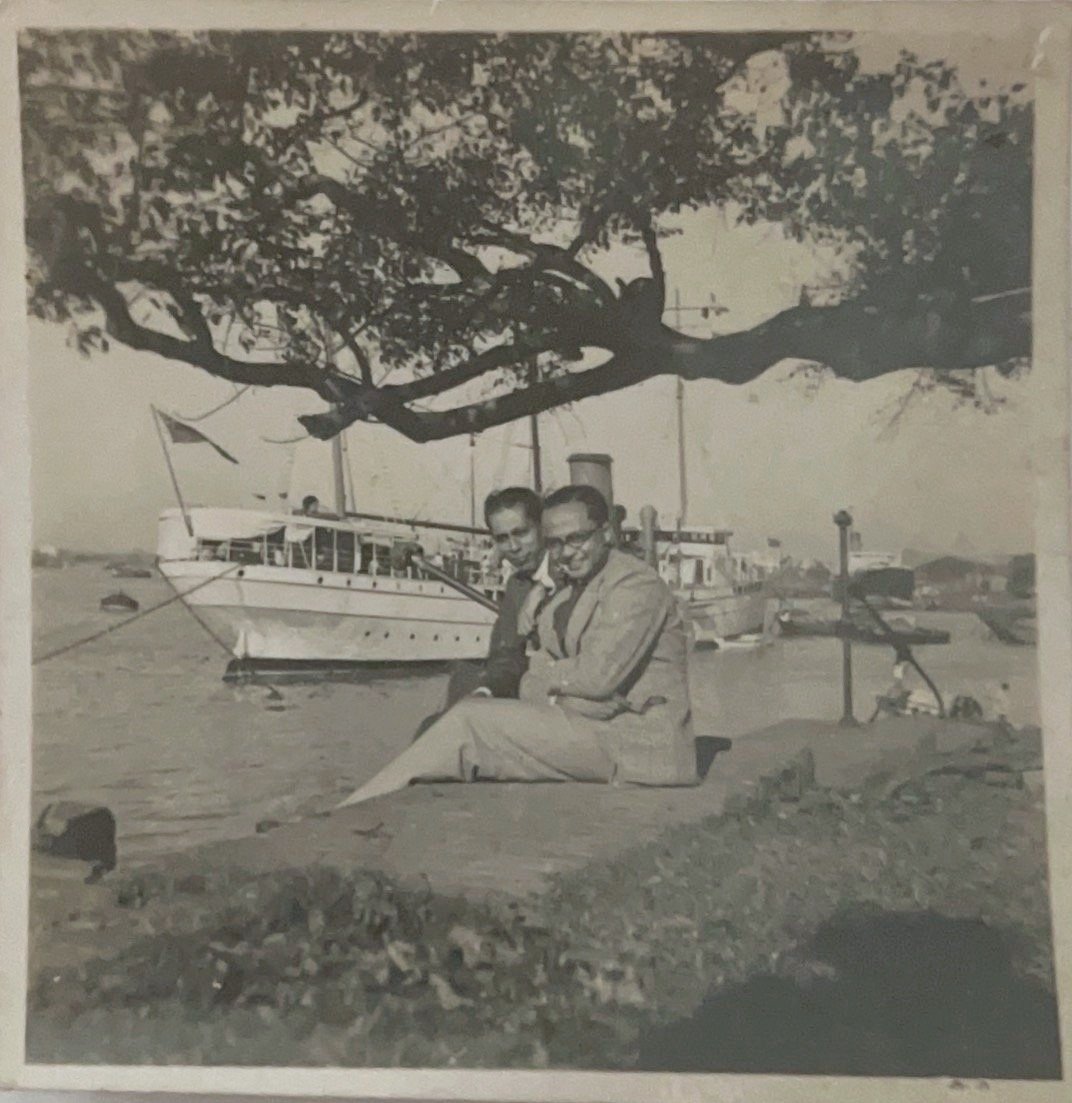
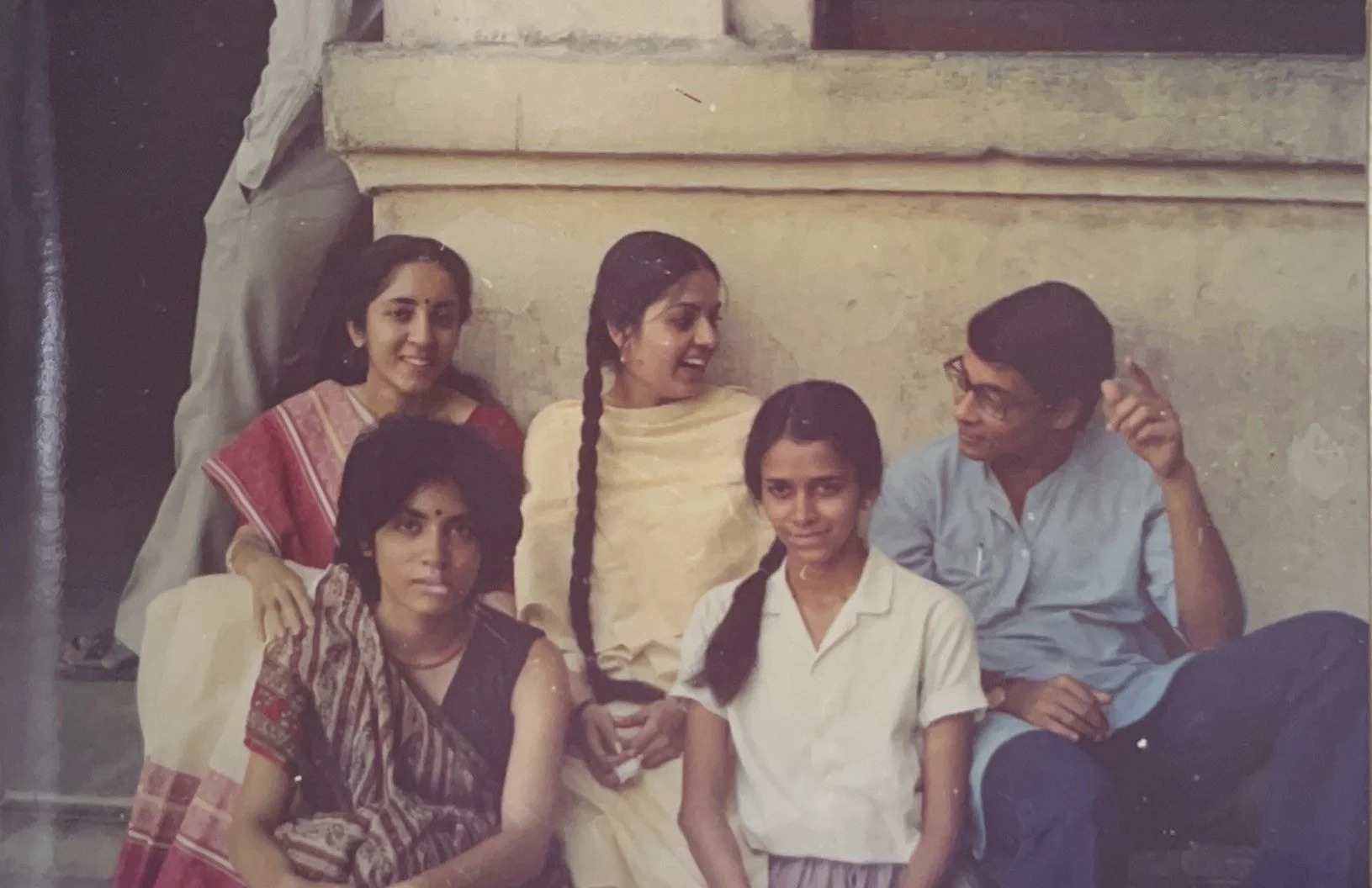
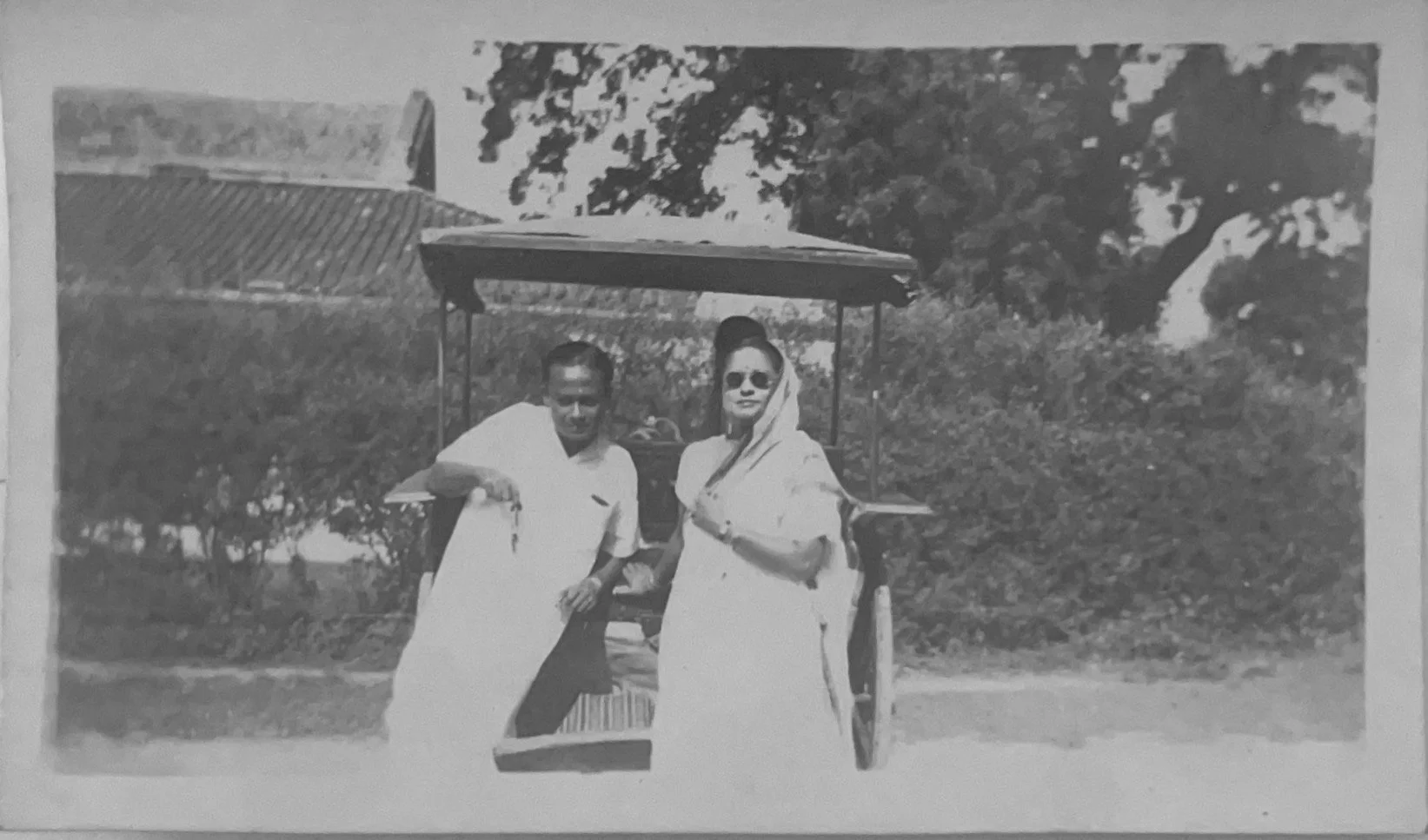
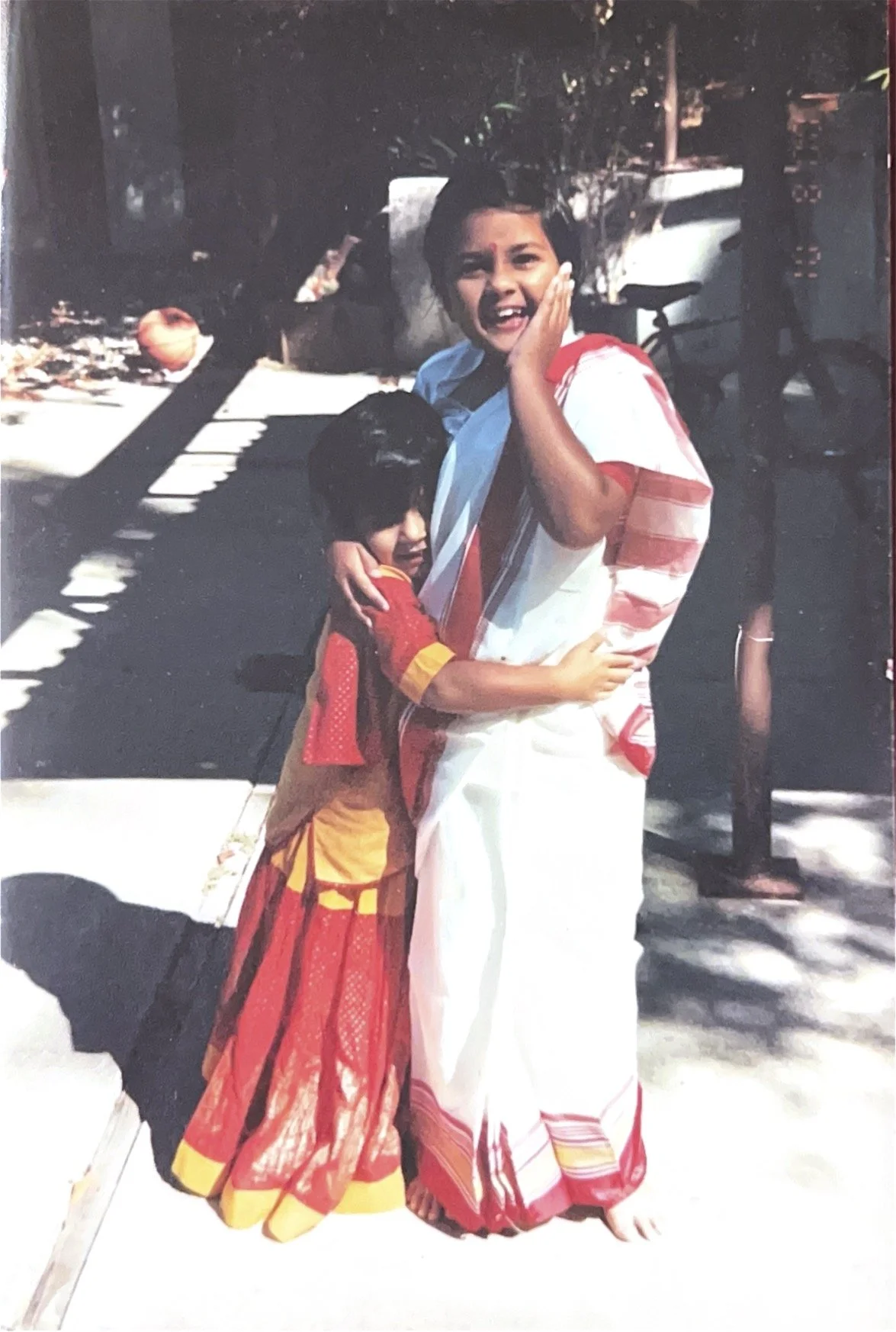
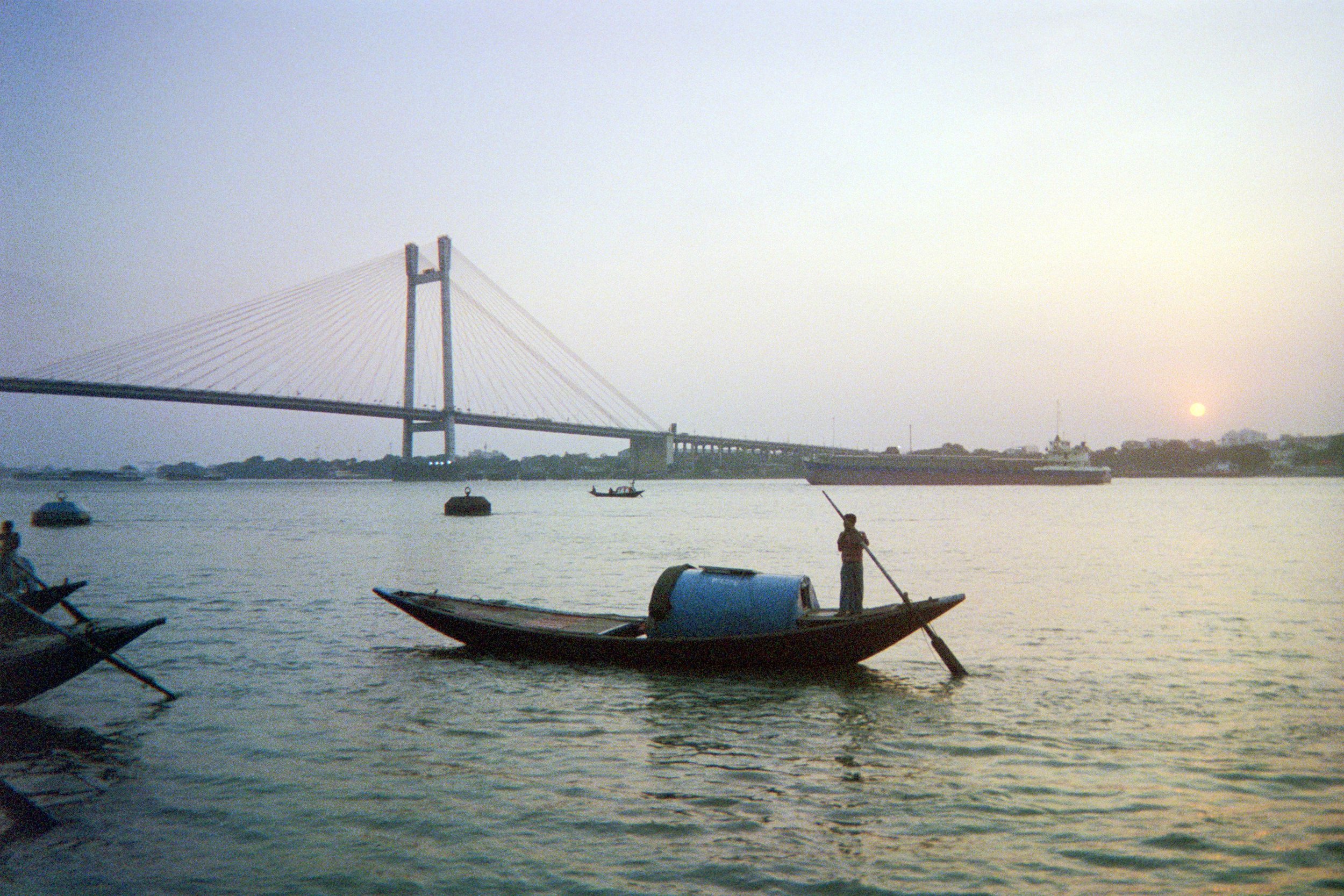
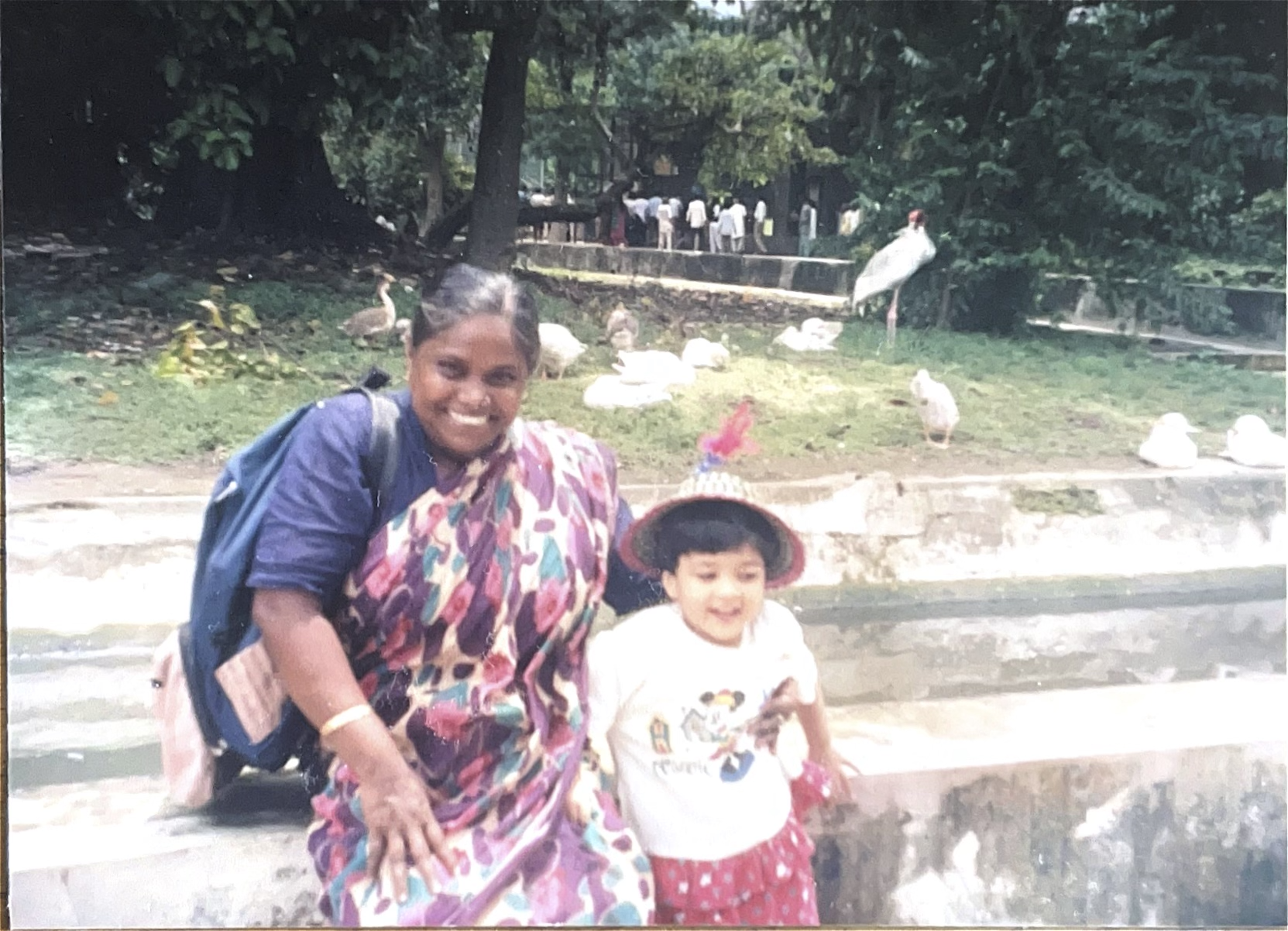
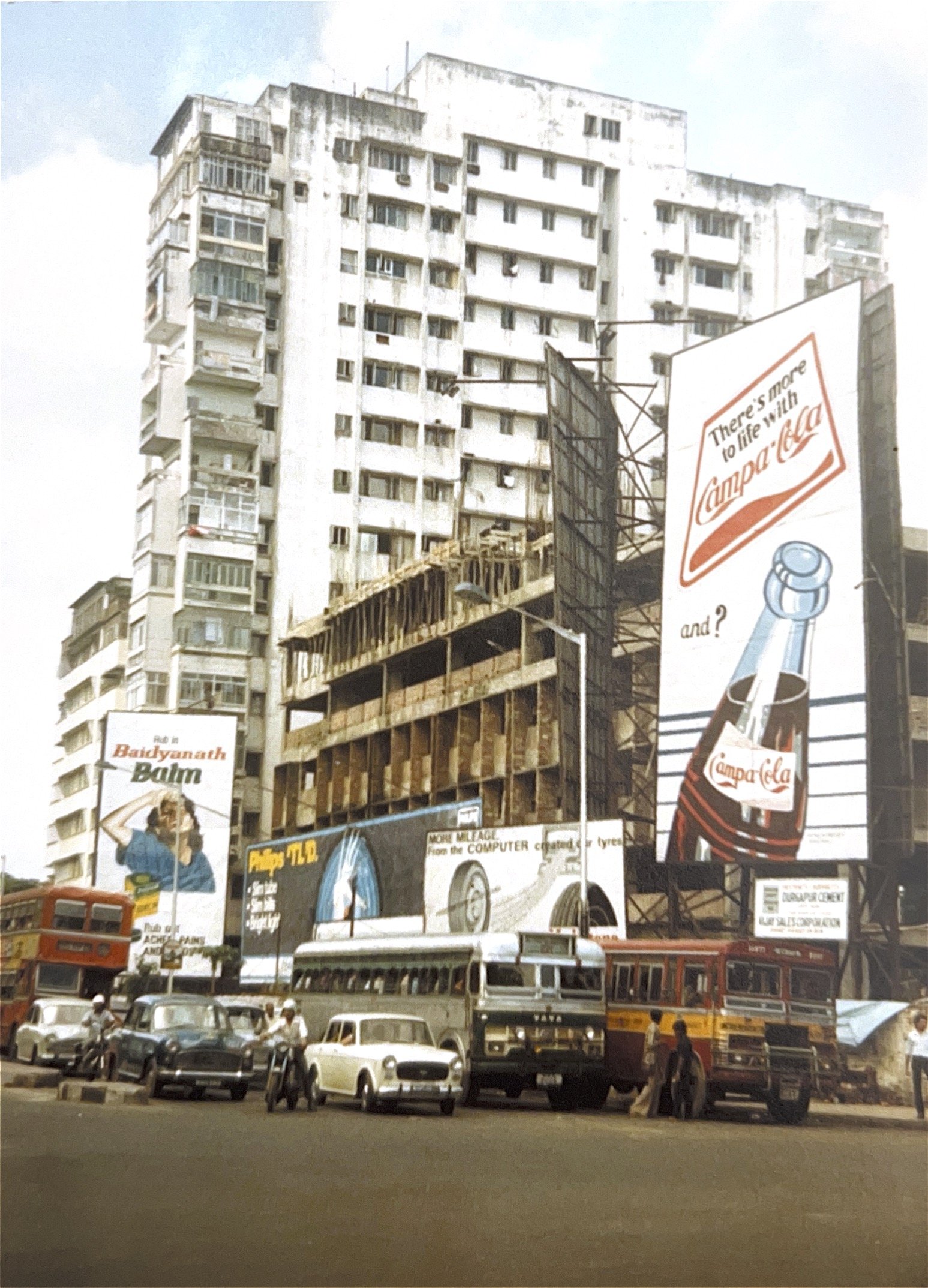
At No. 1 Robinson Street in Kolkata, India stood a quintessential Bengali home with high ceilings, mosaic floors, and hand-crafted woodwork. It was my grandmother’s house, where my father grew up, and it was known simply as Robinson Street. No one said they were going to my grandmother’s house; they said they were OFF to Robinson Street, a common shorthand in India.
After years of legal battles against developers, that house is gone now—a story that echoes across rapidly changing cities around the world. When it was torn down, it left behind something familiar to many diasporic people: the reminder that home isn’t always permanent, and sometimes exists more clearly in memory, language, and habit than in brick and mortar.
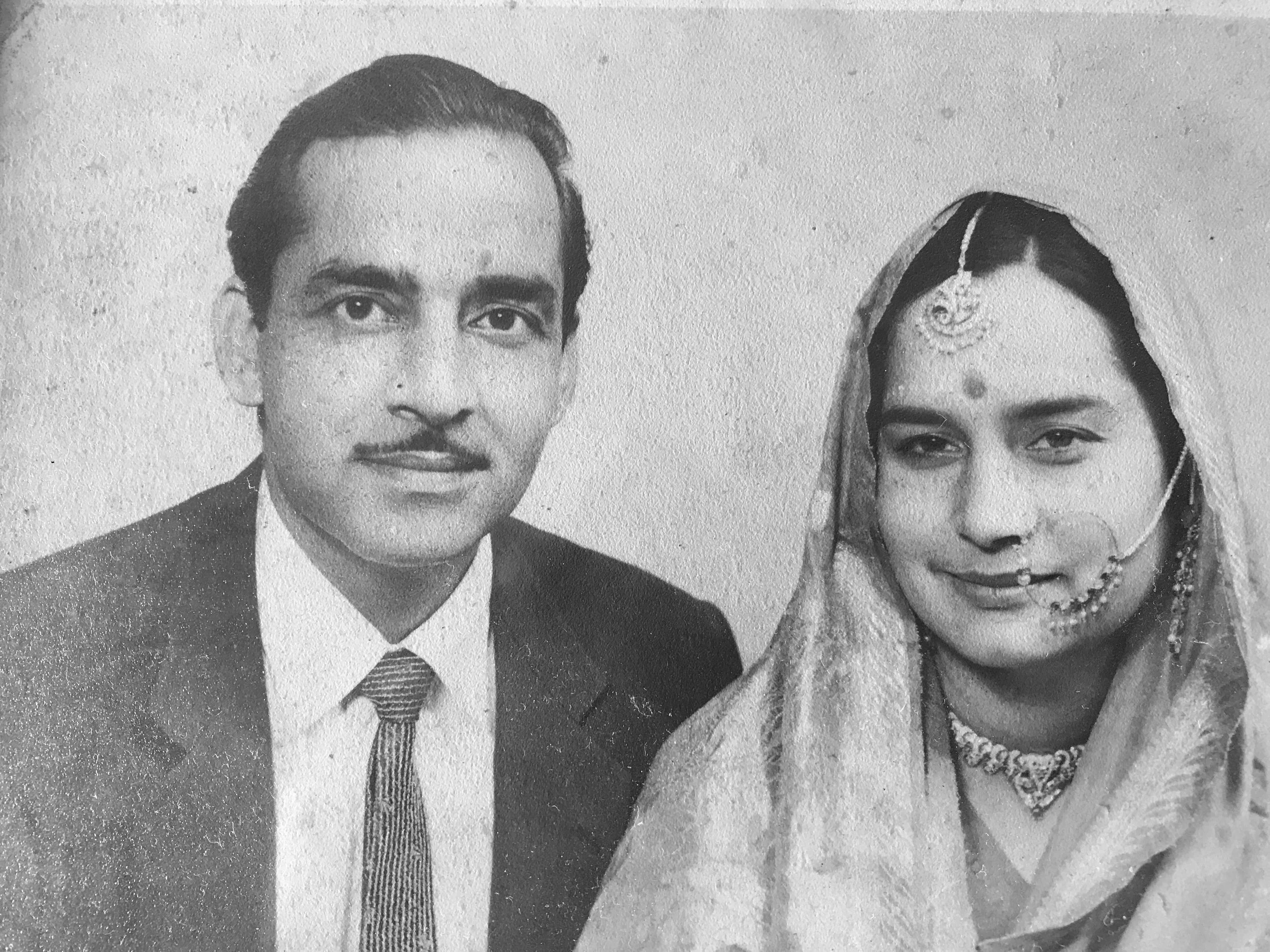
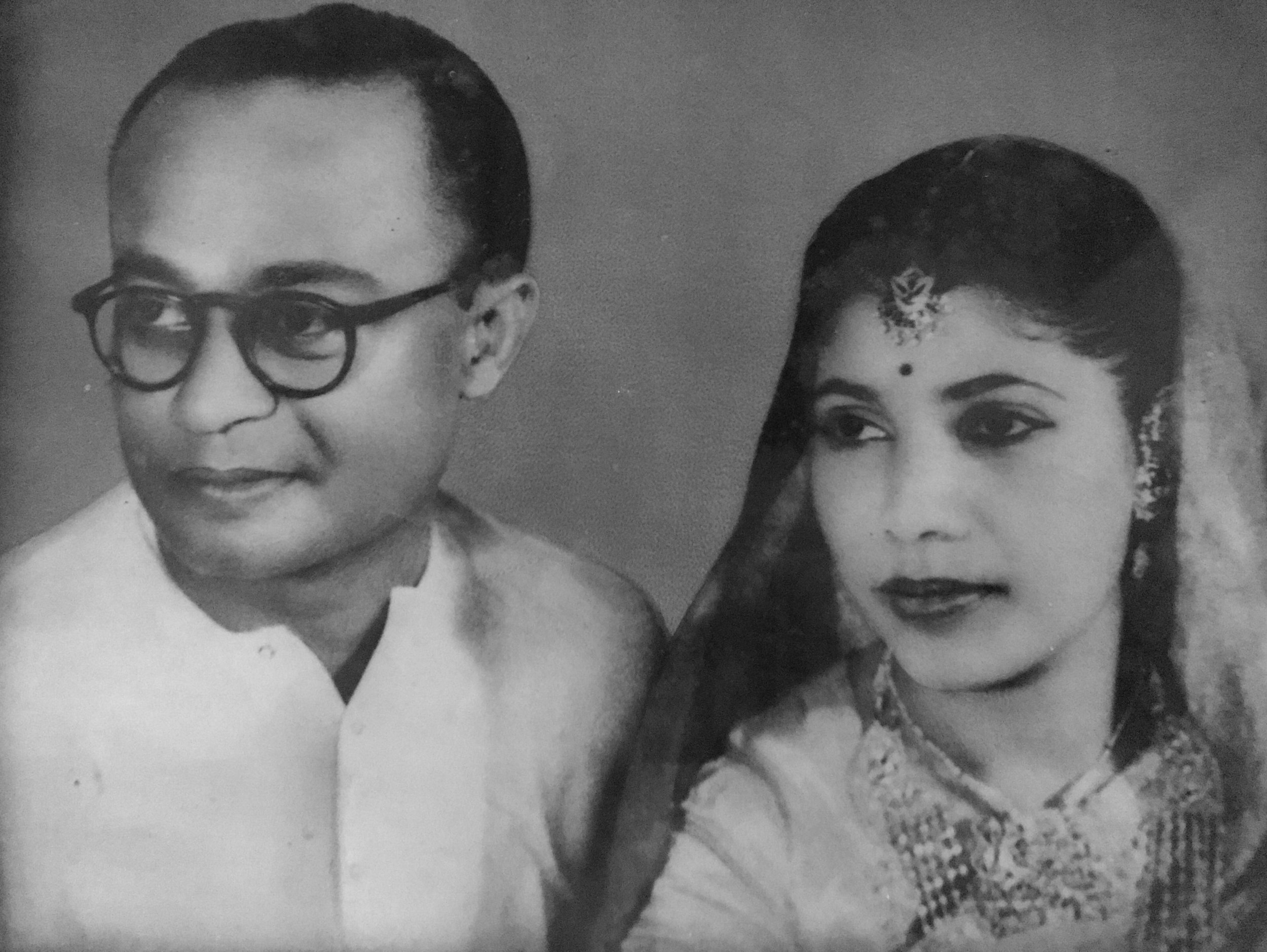
Robinson Street, as a name, holds that idea, that for many descendants of immigrants, home is something remembered, adapted, and (re)imagined rather than revisited. It’s not about one house, one country, or one lineage. For many of us, belonging is rarely singular. Navigating more than one world can involve moving between different cultural contexts, languages, and expectations, sometimes with ease, sometimes with friction.
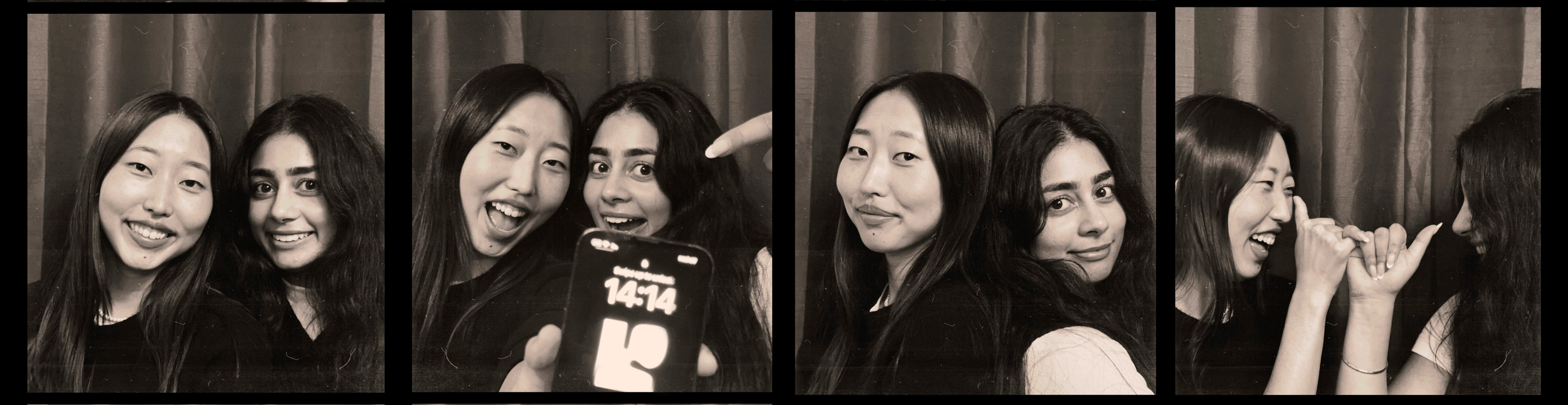
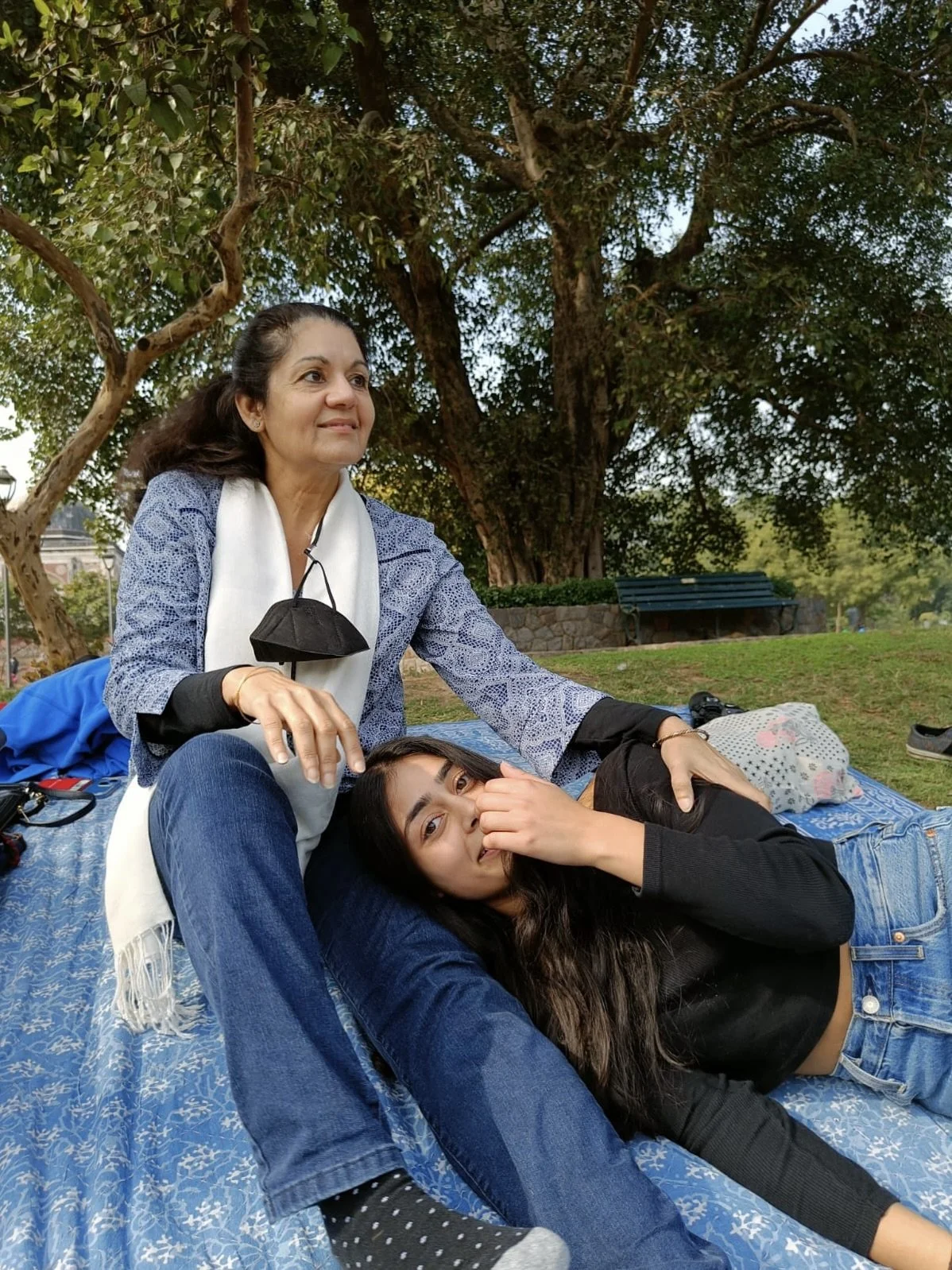
Audrey, a third-generation Korean-American who grew up in rural Illinois, and I, a half-Bengali and half-Punjabi second-generation immigrant from the San Francisco Bay Area, built this project together because we recognized that tension in each other. Over our many years of friendship, we found ourselves, despite our different backgrounds, returning to similar questions about our place in the world. Ultimately, we share the belief that diasporic experiences do not need to be simplified or resolved. They deserve space, texture, humor, care, and most importantly, respect.
This brings us here, to this version of Robinson Street: a cultural platform to connect and celebrate the multifaceted experiences of diasporic people. Across cultures, geographies, and generations, what we share isn’t a single origin story, but a set of overlapping yet uniquely personal experiences of assembling identity across borders, negotiating inheritance and self-definition, and finding meaning in the in-between.
Robinson Street is a labor of love as much as it is a landing point for our own contemplations on identity, belonging, and liminal space, at a time when we need it most.
TAKE CARE,
Isha